
The Case for Geo-Targeting in 2026: How Local SEO Is Powering Growth for Service-Based Businesses
If you run a service-based business, you know the feeling: You offer incredible value, your team is ready to work, but the phone isn't ringing quite as often as it should. You aren’t battling a lack of talent; you’re battling a lack of visibility.
In 2026, the way your neighbors find help has changed. They aren’t just searching for "plumbers" or "graphic designers." They are searching for immediate help in their specific corner of the world. They want the best option near them right now, right? This is where Geo-Targeting comes in. It sounds like a complex marketing buzzword, but at Knapsack, we like to keep things simple. Geo-targeting is just the digital version of planting your flag in the ground and saying, "We serve this community."
Whether you’re a landscape architect in Virginia or a boutique consultant in Austin, local search marketing is no longer a "nice-to-have" bonus. It is the primary engine for sustainable growth. In this guide, we’re going to break down exactly how location-based search works in 2026, why it matters for your bottom line, and how you can stop competing with the whole world and start winning in your own backyard.
Why Local SEO Has Become a Growth Engine in 2026
Remember the days when having a website was enough? You published a few pages, listed your services, and waited. Today, the internet is too crowded for that strategy.
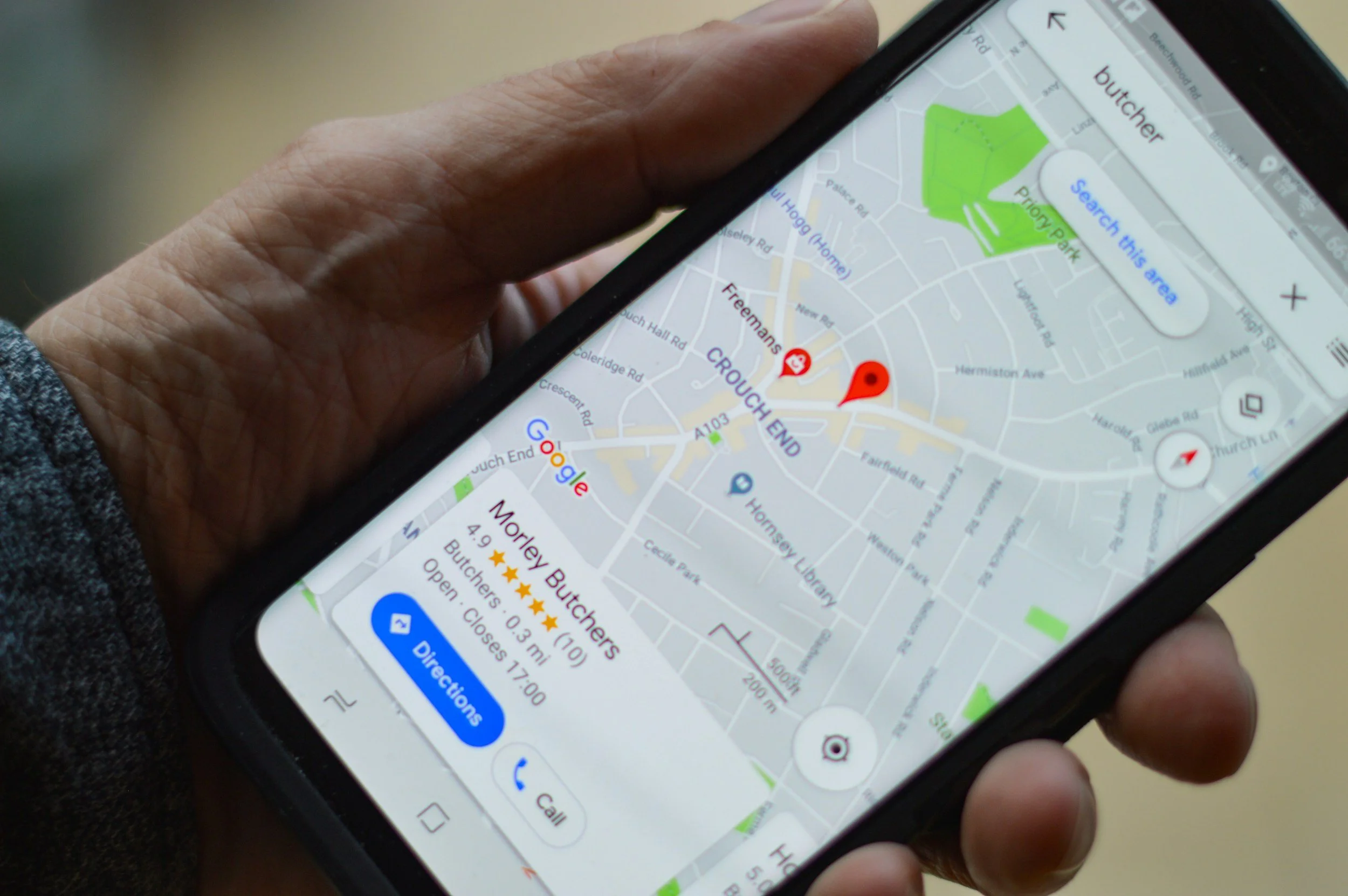
In 2026, search engines like Google have become incredibly smart. They understand intent. When someone pulls out their phone and types "emergency roof repair," Google doesn't show them the best roofer in the country; it shows them the best roofer within 10 miles with good reviews and who's open right now.
The Shift to "Near Me" and "Right Now"
Local SEO connects your business directly to people who are ready to take action. These aren’t window shoppers. These are people with a problem who need a guide to help them solve it.
For service area businesses, this is a game-changer. You don't need to rank #1 globally. You just need to be the clear, trusted choice for the people in your service radius. This makes local SEO the most cost-efficient form of marketing available. You aren't paying to reach people three states away who can't hire you anyway. You are focusing your energy entirely on the people who can actually become customers.
How Search Behavior Has Changed
The modern customer is savvy. They don’t just search for "accountant." They search for "small business CPA in Lynchburg" or "tax prep near downtown."
Mobile-First is Default: Almost all local searches happen on mobile devices.
Hyper-Local Intent: Google now uses real-time proximity. If a user is standing in one neighborhood, they might get different results than if they were standing three miles away.
Trust Signals: Users make split-second decisions based on your star rating and location.
If your digital presence isn't aligned with these behaviors, you are invisible to the very people trying to hire you.
Why Geo-Targeting Matters More Than Broad SEO
It is tempting to want to "go big." Many business owners tell us they want to rank for broad terms like "best interior design." But here is the hard truth: Broad SEO is often a vanity metric. It attracts low-intent traffic from people who are just browsing or looking for DIY ideas.
Geo-Targeted SEO is different. It focuses on revenue.
By narrowing your focus to specific cities, neighborhoods, or regions, you increase your relevance. In Google's eyes, relevance is king. When you are highly relevant to a specific area, three things happen:
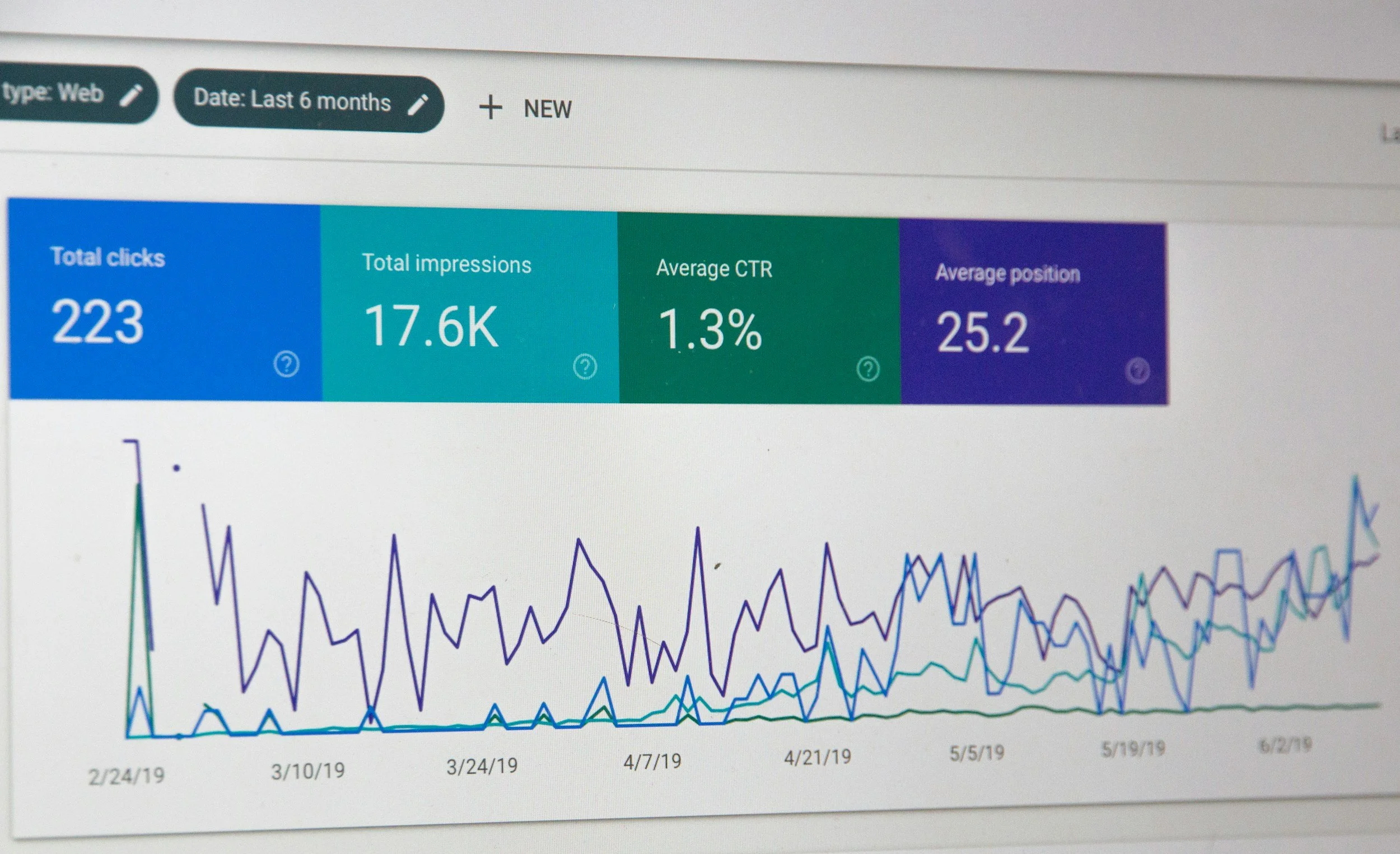
Your Click-Through Rate (CTR) Skyrockets: People click on results that feel local and personal.
Lead Quality Improves: You stop getting inquiries from people outside your service area.
Conversion becomes Easier: A local lead already trusts you more than a national competitor because you are part of their community.
How Geo-Targeting Works in Modern Local SEO
How do we actually do this? How do we tell Google, "Hey, I’m over here!"?
It isn't magic. It’s about aligning three distinct "signals" that tell the search engines where you are and what you do. Think of these as the three legs of a stool. If you miss one, the strategy falls apart.
The Proximity Signal (Where You Are): This tells Google your physical location or the area you serve. This is defined by your address on your Google Business Profile and the location data on your website.
The Relevance Signal (What You Do): This is about content. Does your website talk about the services you offer in the context of the location? If you are a pest control company, talking about "mosquito control" is a good idea. Talking about "mosquito control for humid Virginia summers" is better.
The Prominence Signal (Who Trusts You): This is your reputation. Are other local businesses linking to you? Do you have reviews from people in the area? Prominence tells Google that you aren't just in the location, but you are a trusted authority there.
Local SEO Tips That Are Driving Results in 2026

There are no "hacks" in SEO anymore, only best practices. Here is how we help our clients win.
1. Optimize Google Business Profile Beyond the Basics
Most business owners claim their profiles and then forget them. To win in 2026, treat your GBP like a social media feed.
Use the Q&A Feature: Don't wait for people to ask questions. You can post common questions (and answers) yourself! This helps users and provides data to Google.
Visuals Matter: Upload photos of your team, your projects, and your happy clients. People buy from people, not logos.
Categorization: If you are a "Remodeler," do not just list "Contractor." Use "Kitchen Remodeler" or "Bathroom Remodeler" as secondary categories to capture niche searches.
Service Areas: If you are a service-based business without a storefront (like a plumber or mobile detailer), you need to define your "Service Areas". Hence, Google knows where to show you, without confusing users by displaying a home address.
2. Build Location-Focused Website Content
Your website is your digital storefront. If a customer walks in (or clicks), they need to know immediately that they are in the right place.
Service Area Pages vs. City Pages. This is a strategy we use often at Knapsack to capture traffic without spamming.
Service Area Pages: Overview pages that list all the communities you serve. They are great for general clarity.
City Pages: These are landing pages targeting a specific location, such as "Web Design in Boston, MA."
Warning: Do not just copy-paste the same text and change the city name 50 times. That is called "doorway pages," and Google hates it. Each location page needs unique content relevant to that specific area.
Using Geo-Modified Keywords Naturally, "Geo-modified" just means adding your city name to your keywords.
Bad: "Best plumber, best plumber, Chicago plumber in Chicago." (This is spammy.
Good: "Providing trusted plumbing services to historic homes in the Chicago suburbs." (This is natural). We write for humans first, and robots second. If it sounds awkward when you read it out loud, delete it.
3. The Role of Reviews in Geo-Targeted Local SEO
You can have the most beautiful Squarespace website in the world, but if you have a 2.0-star rating, you won't get the call. Reviews are the currency of trust.
Ask Immediately: The best time to request a review is when you deliver the service, when the client is happiest.
Make it Easy: Don't make them hunt. Send a direct text or email with the link.
Respond to Everything: Positive reviews? Thank them. Negative reviews? Respond calmly and offer to take it offline. Future customers are watching how you handle conflict.
4. Technical SEO Foundations for Local Search
At Knapsack, we build on Squarespace for a reason. It handles the scary technical stuff so you don't have to. However, understanding the basics helps you see the value of a well-built site.
Mobile Optimization: If your site doesn't work on mobile, you lose. Squarespace templates are responsive by default, meaning they look great on iPhones and Android devices. This is critical because nearly all "near me" searches happen on the go.
Local Schema Markup: "Schema" is code that helps search engines understand your data. Squarespace has built-in features that automatically tag your physical location and business hours in a way that Google can easily read. We ensure these settings are configured correctly from day one.
Core Web Vitals: Google measures how fast your site loads. A slow site frustrates users. We design with efficiency in mind, ensuring your images are optimized and your pages load snappily.
How Service-Based Businesses Win With Local SEO
Ultimately, Local SEO is about alignment. It aligns your business goals with your customers' needs.
Who Benefits Most?
Home Services: Plumbers, HVAC, Landscapers, Roofers.
Professional Services: Lawyers, Accountants, Financial Advisors.
Health & Wellness: Chiropractors, Dentists, Gyms.
Agencies: Consultants, Designers, Marketers.
If you need to interact with your client (or their property) physically, you need Geo-Targeting.
Final Thoughts: Stop Searching, Start Being Found
The digital landscape in 2026 is competitive but also full of opportunity. By embracing Geo-Targeting, you stop trying to be everything to everyone and start being the perfect solution for the people who matter most, your local customers.
Local SEO isn't just about algorithms and keywords; it's about being a helpful, accessible guide for your community. It’s about ensuring that when a neighbor has a problem you can solve, your name is the first one they see.
At Knapsack Creative, we build websites that are designed to do exactly this. We handle the structure, the design, and the strategy so you can focus on what you do best: serving your clients.
Ready to get noticed in your neighborhood?
FAQs
1. What is geo-targeting in local SEO, and how does it work?
Geo-targeting in local SEO is the process of optimizing a business’s online presence to appear in search results for specific geographic areas. It works by aligning location signals across Google Business Profile, website content, citations, reviews, and technical SEO. Search engines use these signals to match local intent queries with the most relevant nearby businesses.
2. How is local SEO different from traditional SEO for service-based businesses?
Local SEO focuses on geographic relevance, proximity, and local intent, while traditional SEO targets broader, often national keywords. For service-based businesses, local SEO prioritizes Google Business Profile optimization, service area pages, reviews, and citations. This approach attracts users who are ready to book or contact a business in a specific location.
3. Do service area businesses need physical locations to rank in local search?
No, service area businesses do not need physical storefronts to rank in local search. Google allows businesses without a physical address to define service areas in their Google Business Profile. Ranking depends on relevance, proximity to the searcher, and trust signals such as reviews, website location content, and consistent citations.
4. How long does it take to see results from local SEO in 2026?
Local SEO results typically begin to appear within 8 to 12 weeks, depending on competition, existing visibility, and optimization quality. Google Business Profile improvements and review activity can show faster gains, while website and citation improvements contribute to long-term ranking stability and growth.
5. What are the most important local SEO ranking factors today?
The most important local SEO ranking factors include Google Business Profile optimization, proximity to the searcher, relevance of website content, review quality and frequency, citation consistency, and local backlinks. Technical performance and mobile usability also play a supporting role in ranking and conversions.