
How SEO Turns Your Website Into a Long-Term Revenue Asset

Many businesses treat their websites like an ongoing marketing expense. They invest in a custom website design, pour money into ads, and cross their fingers hoping for leads. A revenue asset operates entirely differently. It actively generates consistent organic traffic, captures highly qualified inbound leads, and drives measurable revenue growth. Rather than losing value the moment a campaign ends, a true revenue asset compounds over time. SEO transforms your digital presence into this exact type of asset.
By building unshakeable visibility and authority, you generate sustainable business growth without paying for every single click. When executed correctly, SEO shifts from a budget line item to a powerful marketing investment with a highly measurable ROI.
Website as a Digital Asset vs Marketing Expense
A marketing expense stops working the second you stop paying. Paid ads perfectly illustrate this trap: turn off your budget, and your traffic instantly vanishes. A digital asset, however, continuously generates results. Dominant search engine rankings capture consistent organic traffic without requiring ongoing ad spend. Over time, that reliable traffic reliably converts into inbound leads and revenue—the secret lies in compounding growth. Every optimized page, strategic backlink, and high-quality piece of content permanently adds value to your site, turning it into an appreciating business asset.
The Difference Between Traffic and Revenue

Traffic alone does not guarantee revenue. Thousands of visitors mean nothing if they immediately bounce from your site. True revenue comes from qualified traffic users actively searching for the exact solutions, services, or answers you provide. They display clear buying intent. When you align your keyword strategy with the right audience and clarify your messaging to improve your conversion rate, you seamlessly turn casual browsers into measurable revenue. SEO specifically targets these high-intent users who arrive ready to take action.
Why Organic Search Creates Sustainable Business Growth?
Organic search drives sustainable growth because buyers inherently trust search engines to guide their purchasing decisions. When your site earns a top ranking organically, you intercept customers at multiple stages of their buying journey. This visibility secures steady inbound leads without trapping you in a pay-per-click cycle. Furthermore, organic traffic scales effortlessly. As your domain authority strengthens, your content ranks for even more keywords, creating a compounding growth engine. Businesses that invest heavily in SEO build durable visibility rather than endlessly chase short-term tactics.
How SEO Turns Website Traffic Into Revenue
SEO acts as the crucial bridge between a customer's problem and your solution. When you target the right keywords and optimize the entire buyer journey, your website becomes a relentless lead-generation machine.
Capturing High-Intent Search Traffic: High-intent users search with immediate goals in mind. They type phrases like “hire,” “pricing,” or “best service near me.” These specific queries signal a clear readiness to buy. By optimizing for this exact search intent, you attract highly qualified traffic rather than casual window shoppers. These premium organic leads convert at a significantly higher rate, which drastically lowers your customer acquisition cost.
Ranking for Commercial and Transactional Keywords: While informational keywords build general awareness, commercial and bottom-of-funnel keywords directly drive revenue. Consider queries like "SEO agency pricing," "Squarespace website design services," or "local SEO expert near me." Securing top rankings for these transactional keywords places your business directly in front of decision-ready buyers, instantly strengthening your sales funnel and skyrocketing customer acquisition.
Improving Conversion Rates Through Search Intent Alignment: SEO requires more than just high rankings; you must deliver exactly what users expect to find. If a prospect searches for pricing, your page must display clear pricing details. If they search for specific services, you must highlight clear benefits, proven outcomes, and a simple next step. Matching your page structure to user intent keeps visitors engaged, builds massive trust, and maximizes the revenue you extract from your existing traffic.
Turning Visitors Into Qualified Leads and Sales: SEO brings the traffic, but your conversion strategy actually drives revenue. Compelling calls to action, crystal-clear messaging, strong social proof, and highly optimized service pages actively guide users through your sales funnel. Combining qualified organic traffic with a custom website design guarantees consistent inbound leads and highly predictable revenue growth.
Why SEO Is a Long-Term Revenue Strategy, Not a Short-Term Campaign
SEO completely diverges from the paid advertising model because it builds permanent equity within your website.
SEO as a Compounding Growth Channel
Every optimized page fortifies your domain authority. Every high-quality backlink elevates your search engine rankings. Every new piece of content expands your keyword footprint. This continuous effort creates massive compounding returns. Over time, your site captures more territory in the search results, ensuring a steady, long-term marketing ROI.
Reduced Dependency on Paid Advertising
Paid search delivers immediate traffic but requires relentless spending to maintain it. Organic search breaks this dangerous dependency. As your SEO rankings climb, you replace expensive paid clicks with highly cost-effective organic leads. This strategic shift immediately improves your profit margins and stabilizes your revenue stream.
Long-Term Visibility in Search Engine Results
Dominating the first page of search results establishes immediate brand credibility. When prospects consistently see your website outranking the competition, they instantly recognize your industry authority. This long-term stability drives ongoing revenue without the headache of daily ad management.
Stability Compared to Paid Ads
Comparing paid search to organic search reveals a stark contrast. Paid campaigns wildly fluctuate based on your daily budget and competitive bidding. Organic search, however, constructs a durable digital presence. A robust SEO strategy built on high-quality content and flawless technical optimization easily weathers algorithm updates and provides rock-solid stability.
The Core Elements That Make SEO Profitable

Profitable SEO demands ruthless execution. Your underlying strategy, website structure, and publishing consistency dictate your ultimate success.
1. Keyword Research That Targets Revenue Opportunities
Effective keyword research uncovers the exact search terms that drive revenue, not just vanity metrics like high search volume. Prioritizing commercial intent keywords, local search queries, and bottom-of-funnel terms ensures your on-page SEO captures the traffic that actually converts into paying clients.
2. High-Quality Content That Drives Authority and Trust
Search engines heavily reward useful, highly relevant content. A strong content strategy directly answers customer questions, showcases your expertise, and establishes undeniable brand authority. This high-value content keeps users on your site longer, reducing bounce rates and generating eager inbound leads.
3. Technical SEO and Website Structure Optimization
Technical SEO guarantees that search engines can easily crawl, understand, and index your website. You must implement a clear site architecture, lightning-fast page speed, flawless mobile optimization, and a secure HTTPS foundation. This technical perfection dramatically improves the user experience and secures higher search visibility.
4. Link Building and Online Authority Signals
Backlinks function as digital votes of confidence. When reputable, high-authority websites link back to your content, your own domain authority skyrockets. This trust signal boosts your rankings across your entire website, making strategic link building an indispensable component of profitable SEO.
5. Conversion-Focused Website Design
Traffic means nothing if your website cannot close the deal. Your site must actively guide users toward taking the next step. Combining clear messaging, punchy headlines, intuitive navigation, and expertly designed service pages maximizes your conversion rate. A revenue-focused SEO strategy always marries aggressive search visibility with a high-performing design.
How SEO Impacts the Entire Customer Journey
A comprehensive SEO strategy intercepts your ideal customer at every single stage of their buying journey.
Awareness Stage Content That Builds Visibility: Educational blog posts and comprehensive guides capture users searching for broad, informational queries. This top-of-funnel content introduces your brand to a massive new audience and establishes your initial search visibility.
Consideration Stage Content That Builds Trust: In-depth comparison pages, detailed service breakdowns, and compelling case studies help prospects evaluate their options. Injecting trust signals, such as client testimonials and proven results, cements your brand authority and moves the user closer to a buying decision.
Decision Stage Pages That Drive Conversions: Dedicated service pages and transparent pricing pages capture users typing high-intent commercial keywords. By deploying clear calls to action and benefits-driven messaging, these bottom-of-funnel pages decisively convert visitors into qualified leads.
Supporting Customer Retention and Lifetime Value: SEO continues working long after the initial sale. Publishing helpful resources, industry updates, and advanced educational content keeps your current customers deeply engaged. This ongoing organic visibility strengthens loyalty and maximizes customer lifetime value.
How to Measure SEO Revenue and ROI
You must connect your SEO success directly to your bottom line, not just celebrate vanity rankings.
Tracking Organic Traffic and Keyword Rankings: Leverage analytics and Google Search Console to relentlessly monitor your organic traffic growth, keyword positions, and click-through rates. These vital metrics track your baseline visibility progress.
Measuring Leads, Sales, and Conversion Rates: Track every single form submission, phone call, booked consultation, and completed sale originating from organic search. Monitoring your conversion rate proves exactly how much money your SEO traffic actually generates.
Calculating Customer Acquisition Cost from SEO: Divide your total SEO investment by the exact number of customers you acquired through organic search. This calculation reveals your true cost per acquisition, enabling you to compare your SEO performance with your paid advertising channels confidently.
Understanding Customer Lifetime Value from Organic Leads: Organic leads consistently demonstrate stronger buying intent and higher long-term value. When your customer lifetime value significantly exceeds your acquisition cost, your SEO campaign delivers a massive marketing ROI.
Why do Many Websites Fail to Generate Revenue From SEO?
Critical SEO mistakes will choke your revenue, even if your traffic numbers look great on paper.
Targeting the Wrong Keywords
Chasing high-volume keywords often attracts terrible, low-quality traffic. If users lack commercial intent, they will immediately abandon your site, leaving your revenue stagnant.
Weak Website Messaging and Poor Copy
Confusing, jargon-filled website messaging causes your bounce rate to explode. You must deploy clear value propositions and cleanly structured copy to actively drive conversions.
Poor Technical Foundation
Sluggish page speeds, broken links, and mobile layouts that break frustrate users and penalize your rankings. These technical failures create an impenetrable ceiling on your business growth.
Inconsistent Content Strategy
Publishing content sporadically leaves massive gaps in your keyword strategy. A relentless, consistent content schedule is mandatory to build topical authority and maintain top rankings.
Ignoring Conversion Optimization
If your pages lack clear calls to action and strategically designed service layouts, your hard-earned traffic will simply leave. Conversion optimization is the essential mechanism that turns organic visibility into actual cash.
How to Turn Your Website Into a Revenue-Generating Machine With SEO
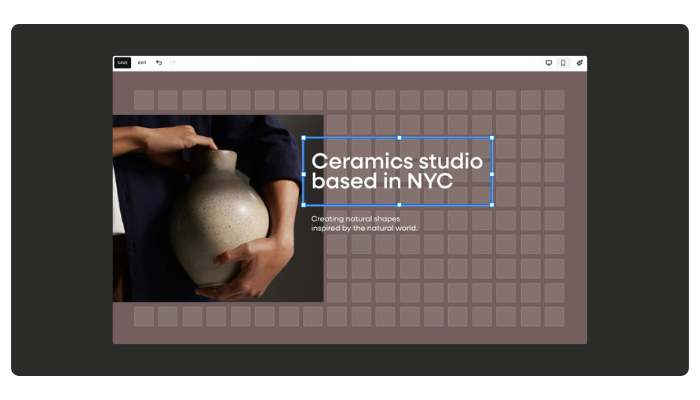
Revenue-focused SEO demands perfect harmony between your inbound traffic and your website's messaging.
Build a Clear Brand Message Before Scaling Traffic
Absolute clarity drives conversions. Utilize the StoryBrand framework to position your customer as the hero and focus entirely on solving their specific problems. Nailing your positioning instantly increases the revenue you generate from your existing traffic.
Optimize Service Pages for Search and Conversions
Engineer your service pages to rank for aggressive commercial keywords while simultaneously guiding the user to the next logical step. Always include clear benefits, undeniable proof, helpful FAQs, and frictionless calls to action.
Create Authority-Building Content Consistently
Publish authoritative content that directly answers real-world search queries. A disciplined content marketing strategy fortifies your domain authority and rapidly expands your keyword footprint.
Combine SEO With Strategic Website Design
Never treat web design and SEO as separate projects. A beautiful website must feature a clear architecture, lightning-fast performance, and a user-focused layout to maximize both search rankings and lead conversions.
Partner With an SEO Agency Focused on Revenue Growth
Stop guessing and partner with an elite team that builds an organic growth strategy directly tied to your revenue goals. Agencies like Knapsack Creative flawlessly integrate SEO strategy, compelling copy, and conversion-focused Squarespace design to turn your traffic into measurable revenue.
Is SEO Worth It for Long-Term Business Growth?
Comparing SEO vs Paid Ads for Revenue
Paid ads buy you temporary attention, but the tap shuts off the second your budget dries up. SEO constructs permanent visibility and sustainable growth, consistently driving down your cost per acquisition over time.
The Cost of Not Investing in SEO
When you ignore SEO, you willingly hand your highest-intent customers directly to your competitors. You remain trapped, relying on expensive paid channels, which severely limit your ability to scale.
When to Start Investing in SEO
Start Immediately. The sooner you invest in dominating search visibility, the faster you capture the rankings, authority, and predictable revenue that guarantee long-term stability.
Final Thoughts: Building a Website That Pays You Back
SEO permanently transforms your website into a scalable, revenue-generating asset. When you combine a ruthless keyword strategy, flawless technical optimization, and relentless execution, you unlock massive compounding growth. Your website finally stops draining your budget and starts delivering a predictable stream of highly qualified inbound leads.
If you want a revenue-focused SEO strategy perfectly integrated with a high-converting Squarespace design, Knapsack Creative is ready to help you build a website that performs, ranks, and converts. Contact us today to stop renting your traffic and start owning your growth.
Frequently Asked Questions
1. How can I measure actual revenue generated from SEO?
Track organic traffic inside Google Analytics and connect it to conversions such as form submissions, booked calls, and sales. Use CRM and revenue-attribution tools to see which organic leads become paying customers. Compare the customer acquisition cost from SEO against the customer lifetime value to calculate the true ROI of SEO.
2. What type of keywords generate revenue instead of just traffic?
Commercial and transactional keywords drive revenue. These include pricing terms, service-specific searches, local intent queries, and bottom-of-funnel keywords. They reflect strong search intent and attract qualified traffic ready to convert.
3. How does SEO support the entire buyer journey?
SEO targets every stage of the buyer journey. Informational content builds awareness, comparison and case study pages build trust, and optimized service pages target decision-stage searches. This structure turns organic traffic into consistent lead generation.
4. Why is SEO considered a compounding long-term investment?
SEO builds sustainable traffic over time. Each optimized page, backlink, and ranking increases domain authority and search visibility. Unlike paid ads, organic search continues driving inbound leads without ongoing cost per click, improving long-term marketing ROI.
5. Why do some websites get traffic but fail to generate revenue from SEO?
Revenue drops when websites target low-intent keywords, lack conversion-focused design, or have weak messaging. Poor technical SEO, slow page speed, and missing calls to action also reduce conversion rate. SEO becomes profitable only when traffic aligns with search intent and sales funnel strategy.