
DIY vs. Professional Copywriting: When Should Small Businesses Invest?

It is incredibly frustrating to pour your time, energy, and financial resources into building a beautiful website, only to watch visitors click away without ever booking a call or reaching out. If your site looks visually stunning but is completely failing to generate consistent revenue, the problem usually isn't your graphic design; it's your messaging. Clear, carefully structured website copy is the exact mechanism that turns passive, browsing visitors into qualified, ready-to-buy leads.
When establishing or upgrading your online presence, you inevitably face a critical choice: should you roll up your sleeves and write the content yourself to save money, or is it time to bring in a professional copywriter specializing in conversion? For businesses looking to scale, leveraging dedicated copywriting services in Raleigh, NC can be the difference between a website that just looks good and one that actively generates revenue. This is a question that plagues consultants, coaches, and home service providers alike. To make the best choice for your growth, you must fundamentally understand the long-term impact of words on your bottom line.
Understanding the Core Purpose of Website Copy
Website copy is not merely a collection of grammatically correct sentences used to fill empty space next to your high-resolution images. It is a strategic, psychological tool designed to guide a visitor from initial curiosity to ultimate trust. By utilizing the principles found in a deep dive into StoryBrand's website framework, your copy must position your customer as the hero of the story and your business as the capable, empathetic guide with a clear plan to solve their immediate problem.
When prospective clients land on your homepage, they are unconsciously asking three specific questions: What exactly do you offer? How will this service improve my life? And what do I need to do right now to get it? If your DIY copy fails to answer those questions clearly and directly within the first five seconds, the visitor will leave and likely never return. The core purpose of your website copy is survival, ensuring your ideal client immediately recognizes that they are in the right place, talking to the right expert.
What exactly is DIY Copywriting?
DIY (Do-It-Yourself) copywriting means taking full, solitary responsibility for writing every single word on your website, from the homepage headline to your service pages and blog posts, without hiring external, professional help. For many early-stage ventures, solo operators, and bootstrapped startups, this is the default starting point.
The appeal of this approach is obvious. First, the upfront financial cost is practically zero, which is crucial when capital is tight. Second, you maintain absolute, uncompromised control over your brand voice and the precise details of your offerings. Third, you don't have to spend valuable time explaining your complex industry nuances to an outsider. You can simply sit down at your keyboard, open a blank document, and start typing out your thoughts as they come to you.
For a brand-new business owner who is simply trying to validate an idea or launch a "minimum viable product" to start gathering initial leads, DIY copywriting makes logical sense. However, as the business matures and the stakes rise, the cracks in this DIY approach quickly become apparent.
Why Does DIY Often Miss the Mark?
The single biggest trap that intelligent, highly capable business owners fall into when writing their own website copy is known in the marketing world as the "curse of knowledge." Because you are an absolute expert in your field, you naturally assume that your site visitors share a baseline understanding of your industry. You know your internal processes, your proprietary frameworks, and your technical terminology inside and out.
Unfortunately, your ideal client usually does not. When you write your own copy, you inadvertently create dense, complicated, jargon-heavy paragraphs. You end up focusing entirely on how you do what you do, rather than focusing on the relief your client will feel when their problem is finally solved. When your messaging is complex, you force website visitors to burn mental calories figuring out whether you can actually help them. In the online space, if you confuse, you lose.
A Practical Example: The Plumber's Dilemma
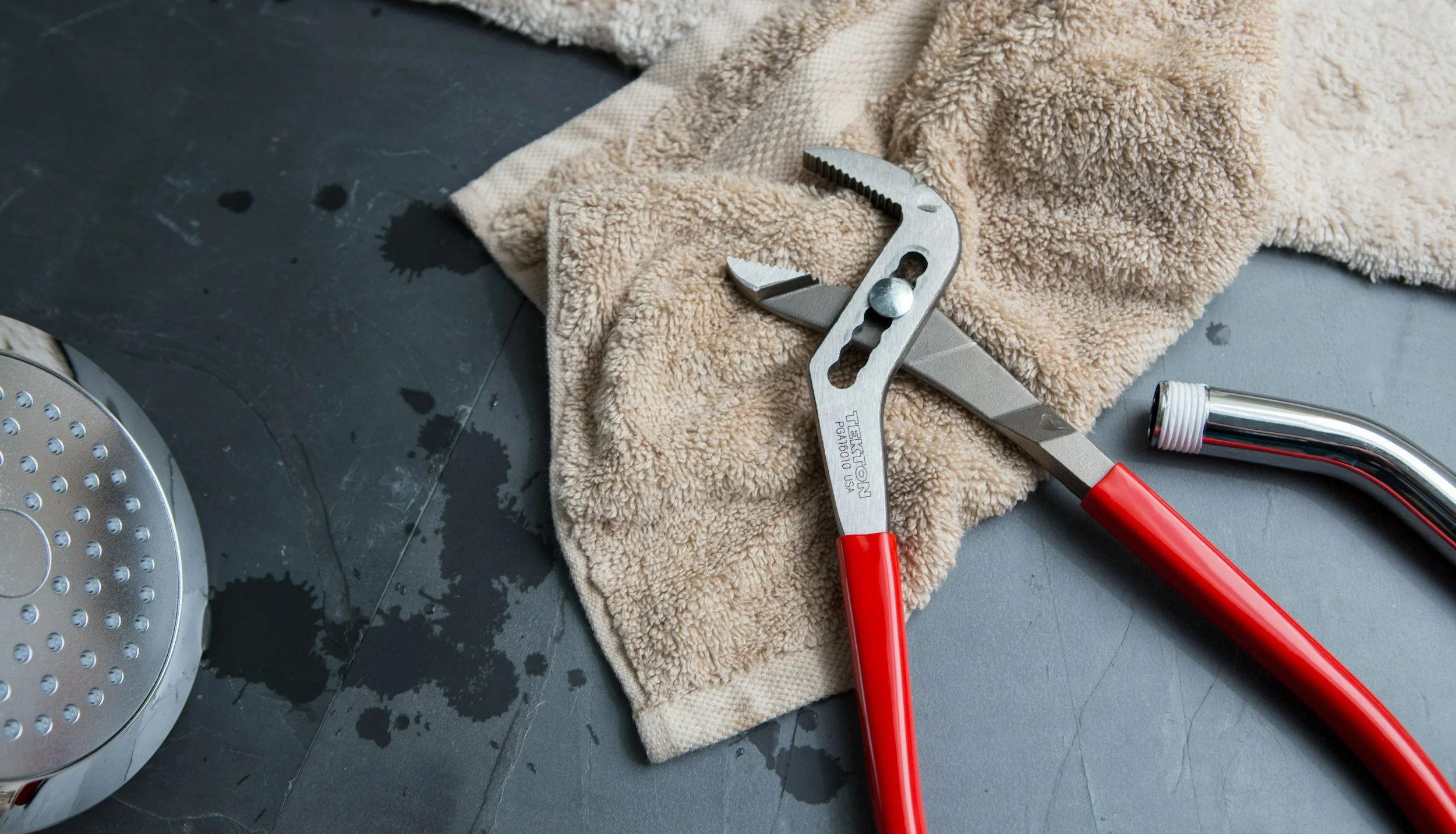
When evaluating StoryBrand websites for home services, a practical example within the plumbing industry perfectly illustrates the curse of knowledge. Imagine a plumbing business run by a highly experienced master plumber. This plumber has spent decades perfecting the installation of complex piping systems and high-efficiency water-heating systems.
When sitting down to write the website for the plumbing business, this master plumber naturally leans into their expertise. They might list the exact technical specifications of the copper piping they use or the intricate mechanics of the pressure valves they prefer. They might proudly write a 500-word essay on the history of their state certifications and the specific tools sitting in their truck.
But think about the actual customer. A panicked homeowner, desperately searching for a plumbing service at 6:00 AM, does not care about the history of the copper piping. They care that water is pouring through their ceiling, and they need immediate relief. A professional copywriter strips away the technical ego and shifts the focus entirely to the customer’s immediate problem. Instead of "Advanced Hydronic System Specialists," the message becomes "Fast, Reliable Emergency Repairs So You Can Get Your Home Back to Normal."
This psychological principle remains true whether you are a high-level financial consultant or a home service provider. Providing comprehensive, top-tier services means absolutely nothing if the words on the screen don't resonate deeply with the reader's immediate pain points. If a business owner tries to handle the messaging alone, they often end up with dense, disjointed copy that might factually describe what they do, but utterly fails to convert visitors into booked appointments. Even the most skilled expert in the city will consistently lose highly profitable jobs to a less experienced competitor if that competitor’s website simply communicates clarity, empathy, and speed.
Hidden Business Costs of DIY Copywriting
While writing it yourself feels free in the moment, it frequently introduces high, hidden costs that severely stall your long-term business growth.
1. Plummeting Conversion Rates
If your messaging doesn't immediately and clearly explain how you solve your ideal client's problem, they will bounce off your site and find a competitor who does. Every single visitor who leaves confused represents lost revenue. A confusing website is essentially a leaky bucket; you can pour all the paid ad traffic in the world into it, but it will never hold water and yield a return. For a deeper look at how to fix this, read our guide on how to build a high-converting Squarespace website using Story Brand and SEO.
2. The Massive Drain on Your Operational Time
Staring at a blinking cursor on a blank screen, trying to find the perfect words, is mentally exhausting. It takes hours, sometimes days, away from your business's core operations. As an expert consultant, coach, or business leader, your time is highly valuable. Spending 20 hours agonizing over an "About Us" page is a terrible return on your personal time investment when you could be serving paying clients.
3. Ineffective Organic Reach and Search Visibility
Without a strong local search marketing strategy seamlessly woven into the content by an expert, your ideal clients won't be able to find you organically. A professional knows how to naturally incorporate geo-targeted terms to boost your local SEO, ensuring you capture the regional market without making the text sound robotic. For example, a local plumber needs to capture search intent differently than a nationwide technology consultant, and understanding those nuances is critical to organic success.
What is Professional Copywriting? (And Why It Changes Everything)

A professional copywriter doesn’t just string together pretty words and proper grammar. They act as your strategic business guide. They use proven frameworks to radically simplify your message, highlight the undeniable value of your services, and build a logical narrative structure that effortlessly guides visitors to hit that primary call-to-action button.
When you hire a professional, they conduct deep research into your target audience. They uncover your ideal customer's exact pain points, fears, and desires. Then, they write a copy that feels like it’s actively reading your prospect's mind. The entire tone of your website shifts from "Here is how great our company is" to "Here is exactly how our company is going to make your life dramatically better and easier."
When Rapid Web Design Meets Professional Copy
A very common and entirely valid hesitation for small business owners considering professional help is the dreaded timeline. You may have experienced the deep frustration of a freelance writer ghosting you, or a web design project dragging on for six excruciating months with endless revisions and shifting launch dates.
But it absolutely does not have to be that way. Partnering with an established, specialized agency completely rewrites the rules of the game. At Knapsack Creative, we know that waiting months for a website to launch means months of lost revenue.
When you combine our conversion-focused copywriting with Our highly collaborative Live Design Day process, everything changes. You aren't just handing off a task to a lone writer; you are plugging into a streamlined, highly refined system. Because we build premium Squarespace 7.1 websites in real-time collaboration with you, your fully optimized, beautifully designed site goes live in days, not months. You secure the premium, high-converting messaging you desperately need without the endless wait.
Clear Signs Your Current Copy is Hurting Your Business
If you are still on the fence, audit your current digital presence. Look for these glaring symptoms that indicate your DIY copy is holding you back:
You Have High Traffic but Low Inquiries: People are clearly finding your site, but no one is filling out the contact form. Your visual design might be drawing them in, but your words are failing to close the deal.
You Consistently Attract Unqualified Leads: You spend all day on discovery calls with people who can't afford you or fundamentally don't understand what you actually do. This means your website copy is not filtering and educating prospects properly before they reach your calendar.
You Have to Constantly Over-Explain Your Services: If you find yourself having to clarify your core offerings on every single sales call, your website isn't doing its job as your 24/7 digital salesperson.
You Feel Embarrassed to Share Your URL: If you hesitate to hand out your business card or share a link because the website doesn't accurately reflect the premium quality of your work, it is actively harming your brand. Just like an unkempt storefront deters walk-ins, a confusing website deters premium clients. Even a highly recommended plumber will lose a referral if the prospect visits a confusing, broken website. The exact same rule applies to any professional services business: an independent plumber or a large accounting firm both suffer catastrophic drop-offs from poor digital-first impressions.
Is Professional Copy Worth the Investment?
Ultimately, the choice between DIY and professional copywriting comes down to measuring the return on investment. The upfront cost of hiring a professional agency may seem significant on the invoice, but you must weigh it against the lifetime value of a single new client.
If a professionally written, StoryBrand-aligned website increases your overall conversion rate by even 1% or 2%, how many additional clients does that generate over a calendar year? For a high-ticket consultant, a premium executive coach, or an in-demand plumber, a single additional client booked directly through the website often covers the entire cost of the copywriting and design investment. In fact, we've seen scenarios where a local plumber recoups their entire investment in the first week of a new site launch. Over time, that compounding return makes professional messaging one of the most profitable investments you can possibly make in your business operations.
The Final Decision Checklist: Which Route is Right For You?
To make your decision perfectly clear, review this final breakdown of when to tackle it yourself versus when to call in the experts.
You Should Stick to DIY Copywriting If:
You are literally just launching your business today and still need to aggressively validate your core services and define your target audience through trial and error.
Your operational budget is strictly limited to absolute necessities, and you need to keep initial overhead as close to zero as humanly possible.
You need to publish a temporary landing page immediately to test a brand-new idea without waiting for external support or strategy.
You have a strong background in sales psychology, conversion-focused writing, and high-level marketing strategy.
You Should Invest in Professional Copywriting If:
You are actively scaling your business and desperately need messaging that perfectly reflects the premium, high-quality work you deliver every day.
Your current website simply isn't converting. You are generating adequate traffic, but very few genuine inquiries or scheduled consultation calls.
You suffer from the "curse of knowledge" and find it incredibly difficult to explain your complex services in simple, jargon-free terms that a layman understands.
You place a high value on your own time. You want a trusted agency to handle the heavy lifting quickly, so you can focus on serving your clients and generating revenue.
You are deeply tired of unreliable freelancers and want a guaranteed, seamless launch through an efficient process, such as a Live Design Day.
Conclusion: Making the Right Copywriting Investment
At the end of the day, your website must accurately and compellingly reflect the immense value you provide to your clients. A confusing, purely DIY site minimizes your expertise, while a clear, beautifully articulated site instantly positions you as a premium industry authority.
DIY copywriting serves as a highly practical, necessary starting point for brand-new ventures testing the waters. But as your business matures, scales, and targets a higher tier of clientele, investing in crystal-clear, professional messaging is no longer an optional luxury—it is a strict requirement. It is the absolute quickest path to building instant trust, shortening your sales cycle, and systematically growing your revenue.
When your message is perfectly clear, your visitors don't just idly browse your pages—they confidently convert into paying clients. Combining expert, StoryBrand-aligned copy with seamless, rapid web design delivers the ultimate competitive advantage in any market. Don't let bad copy be the bottleneck to your business growth; upgrade your words, streamline your message, and watch your business thrive.
Want to go deeper? Read our post on why Squarespace and Story Brand is a winning combination for local service businesses to see exactly how the two work together to drive results.
Ready to stop losing leads and start booking more calls? The team at Knapsack Creative is here to help. Contact us today to schedule your discovery call, clarify your message, and get a high-converting website launched in days, not months.
FAQs
1. How do I know if my website copy is the reason for low conversions?
Low conversions often indicate issues with clarity, structure, or messaging. If visitors are not taking action, your copy may not clearly explain your offer, benefits, or next steps. Reviewing metrics such as bounce rate, time on page, and click-through rate can help identify whether your website copy needs improvement.
2. What is the difference between content writing and copywriting for a business website?
Content writing focuses on providing information and building awareness, such as blog posts. Copywriting is designed to drive action, such as booking a service or making a purchase. For business websites, conversion-focused copywriting is essential because it directly impacts leads and revenue.
3. Can I start with DIY copywriting and upgrade later without hurting my brand?
Yes, many businesses begin with DIY copywriting and refine their messaging over time. However, inconsistent messaging or unclear positioning can slow growth. Upgrading to professional copywriting later helps align your brand voice, improve clarity, and increase conversions.
4. How long does it take to see results from professional copywriting?
Results depend on traffic and implementation, but improved clarity and structure can impact conversions almost immediately after launch. SEO copywriting may take longer, as search rankings typically improve over weeks or months based on competition and optimization.
5. What should I prepare before hiring a professional copywriter?
You should have a clear understanding of your services, target audience, and business goals. Providing brand guidelines, past content, and customer insights helps the copywriter create more accurate and effective messaging. This preparation also reduces revisions and speeds up the process.