How ChatGPT, Gemini, and Perplexity Decide Which Websites to Recommend
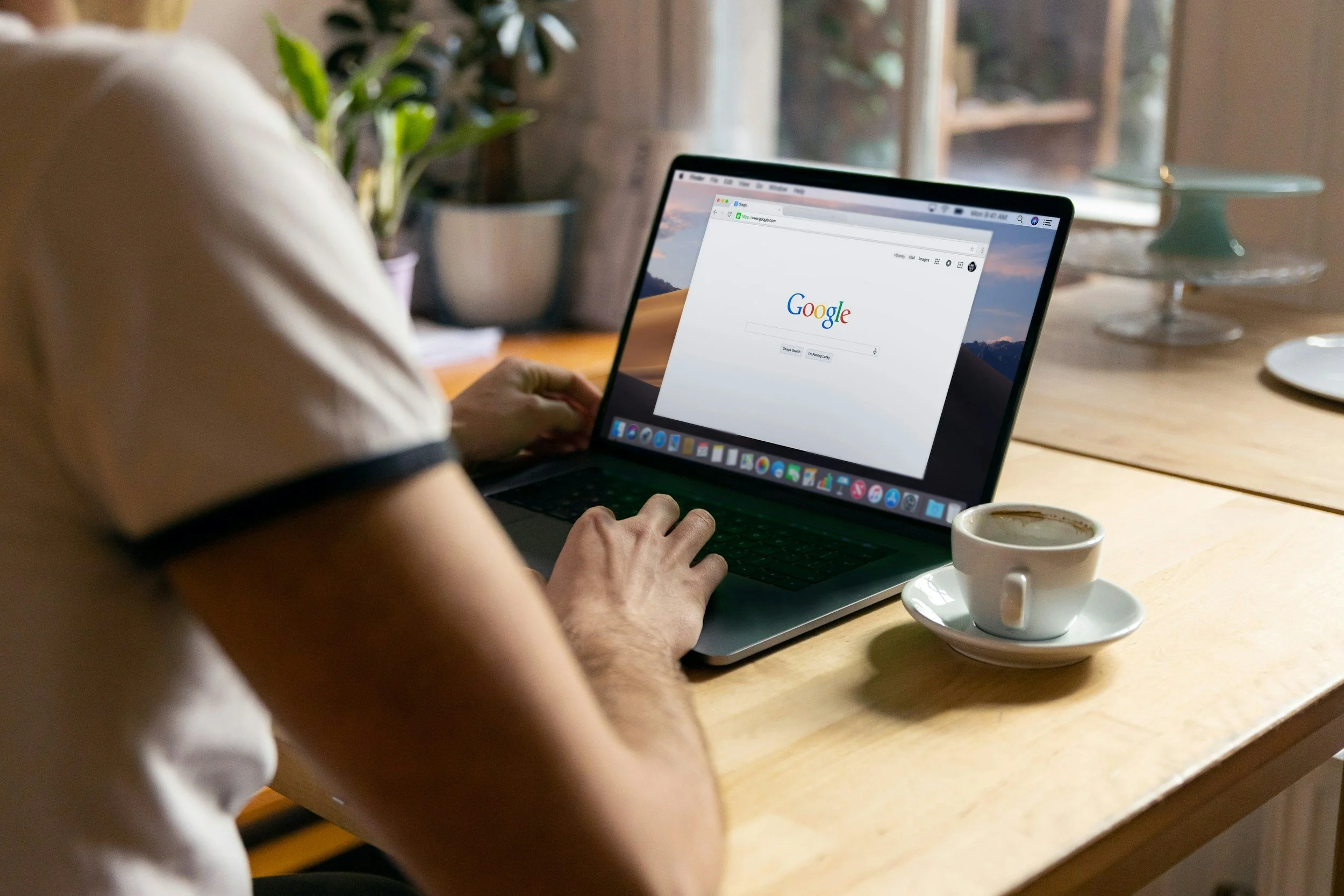
Imagine a potential client in your city pulls out their phone and asks, "Who is the best business consultant near me?" A few years ago, they would have scrolled through a list of Google links. Today, an AI like ChatGPT or Gemini instantly generates a direct, personalized answer.
But what happens if that AI recommends your competitor instead of you?
If your digital strategy is entirely focused on getting people to click blue links, you are already losing leads. Search behavior has shifted. Users want immediate answers, not a research project. If your service business isn't included in these AI-generated responses, to a growing segment of your audience, you simply don't exist.
At Knapsack Creative, we know how overwhelming it is when the rules of digital marketing suddenly change. But getting recommended by AI isn't magic; whether you are looking for a comprehensive StoryBrand framework website design service or just a strategic tune-up, it’s just about learning a new set of rules. Here is exactly how major AI engines decide who gets mentioned, and how you can ensure your website is the one they trust.
What Does an AI “Recommendation” Actually Look Like?
Unlike traditional Google rankings that give you a list of 10 options, AI tools curate and summarize. This means fewer businesses get visibility, but those that do earn massive, instant trust. An AI recommendation usually looks like:
Direct Mentions: The AI explicitly names your brand in its conversational response (e.g., "For executive coaching in Chicago, you should consider...").
Cited Sources: The AI provides an answer and links to your website as the factual authority supporting its claim (highly common in Perplexity and Google Gemini).
Contextual Suggestions: The AI recommends you based on the user's highly specific prompt and geographic location.
How the "Big Three" Choose Their Sources
While they all use generative AI, ChatGPT, Gemini, and Perplexity prioritize slightly different signals when deciding who to cite.
1. How ChatGPT Decides
ChatGPT acts like a highly-read assistant. It heavily favors topical authority and clear entity definition. If your website consistently publishes deep, well-structured content on your niche, ChatGPT is more likely to view you as an expert. It also looks for consensus: if your brand is mentioned across other trusted platforms, directories, and industry blogs, ChatGPT is more confident in recommending you. Generic, thin content is completely ignored.
2. How Google Gemini Selects
Gemini is deeply tied to Google’s existing Search Index. This means traditional SEO and structured data still matter heavily here. Gemini evaluates your site's E-E-A-T (Experience, Expertise, Authority, and Trust). Websites with strong backlinks, fast load times, and well-organized schema markup (code that helps search engines understand your site) are the ones Gemini pulls into its AI Overviews.
3. How Perplexity Chooses
Perplexity is essentially a real-time answer engine. It thrives on freshness and crawlability. It wants to cite sources to back up its claims. If your website is slow, hard to navigate, or full of outdated information, Perplexity will skip it. It favors fact-based, clearly structured pages that load instantly and provide direct answers.
4 Steps to Make Your Business "AI-Recommendable."
So, how do you get these engines to choose you? It comes down to clarity, structure, and authority.
1. Stop Rambling. Start Answering
AI systems are looking for direct answers to user questions. If you hide your core services or pricing behind walls of fluffy text, the AI crawler will get confused and leave. Use the StoryBrand framework to keep your messaging clear, human-centered, and to the point.
2. Structure Your Content for the Robots
Your website needs to be as easy for a machine to read as it is for a human. Break up your text with clear H2 and H3 headings, bulleted lists, and short paragraphs.
3. Build on a Modern Foundation
You can't build a modern SEO strategy on outdated technology. This is why we exclusively build on Squarespace 7.1. It provides a clean, mobile-optimized, and technically sound architecture out of the box, ensuring AI crawlers can effortlessly read and index your site without tripping over clunky code.
4. Build Your Authority Everywhere
AI looks for validation. Make sure your business information (Name, Address, Phone Number, and Services) is perfectly consistent across your Google Business Profile, LinkedIn, industry directories, and social platforms. The more the AI sees your name associated with your expertise, the more confident it becomes in recommending you.
Don't Let AI Send Your Clients to the Competition
Generative Engine Optimization (GEO) isn't about tricking the system; it’s about presenting your business with absolute clarity. When you clarify your message and structure your site correctly, you win in both traditional search and AI recommendations.
At Knapsack Creative, we build premium websites that do both.
Is your website invisible to AI search?
ChatGPT and Gemini are sending your clients to competitors right now. Don't guess where you stand, know for sure.
Get your free AI visibility report in under 3 minutes.
We'll show you exactly where you're losing clients in AI search and what to fix first.
Check My AI Score
Ready to build a site that converts?
If you already know your website needs an upgrade and you want to skip the report, let's talk. Our team is ready to help you craft a clear message and a custom Squarespace website that commands attention in modern search.
FAQs
1. How do AI search engines evaluate which websites are trustworthy enough to recommend?
AI search engines analyze multiple trust signals such as consistent brand mentions, backlinks from credible websites, author expertise, and content accuracy. They also compare information across sources to confirm reliability before recommending a website.
2. Why do some websites appear in AI answers even if they are not ranking on Google’s first page?
AI tools do not rely only on traditional rankings. They focus on content relevance, clarity, and how well a page answers a specific query. A well-structured page with direct answers can get cited even if it ranks lower in Google search results.
3. What type of content structure increases the chances of being cited by ChatGPT, Gemini, or Perplexity?
Content that uses clear headings, short paragraphs, and direct answers performs better. Pages that follow a question-and-answer format, include factual information, and avoid vague language are easier for AI systems to extract and recommend.
4. How important are third-party mentions and online reputation for AI recommendations?
Third-party mentions play a major role. AI systems use external validation, such as reviews, directory listings, and mentions on trusted websites, to verify credibility. A strong online reputation increases the likelihood of being recommended.
5. Can technical SEO issues prevent a website from being included in AI-generated answers?
Yes. If a website has slow loading speeds, poor crawlability, or blocked pages, AI systems may not be able to access or use its content. Clean site structure, fast performance, and proper indexing are essential for AI visibility.